
Fifteen Years Later — Stacey M. Kananen on Survival, Faith, and the Story Behind Monster in the Family
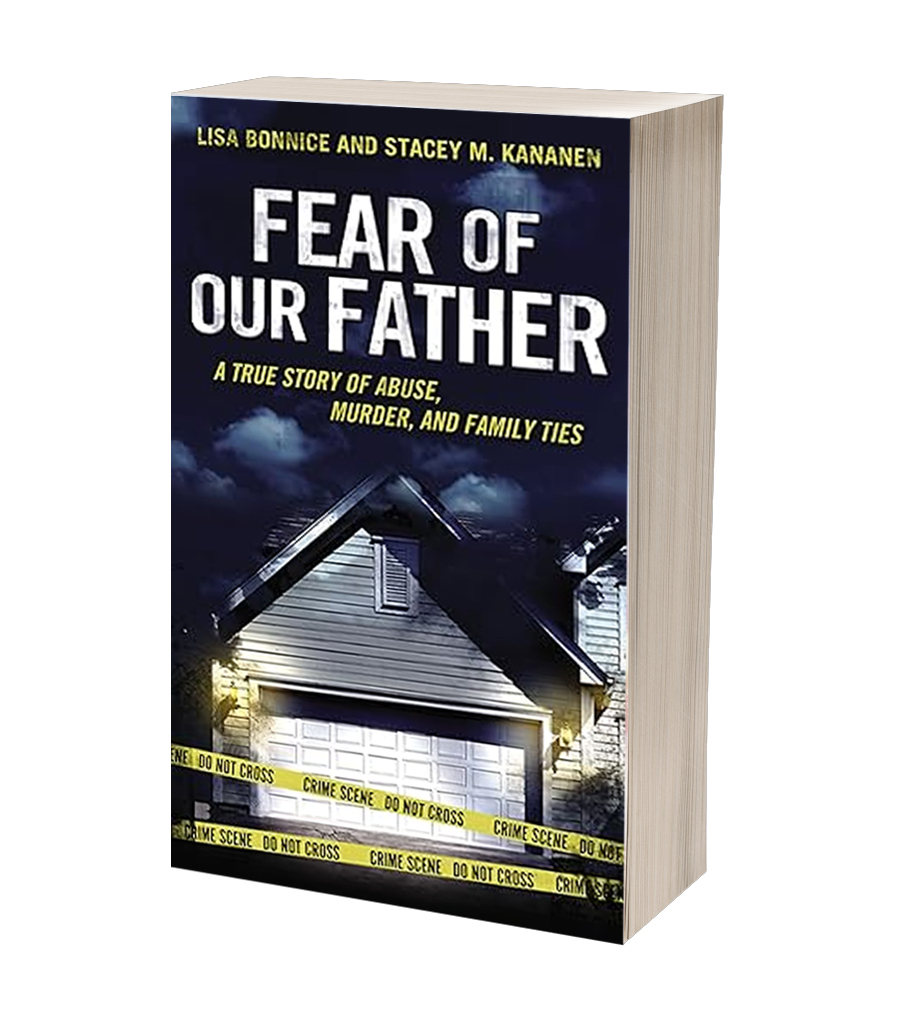
Stacey’s story is about to reach a national audience with the Lifetime TV premiere of Monster in the Family: The Stacey Kananen Story, based on the book she and I co-authored, Fear of Our Father: A True Story of Abuse, Murder, and Family Ties. The movie airs Saturday, October 11.
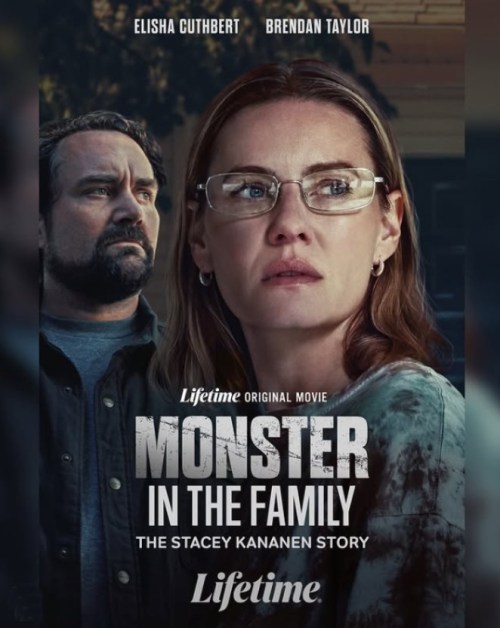
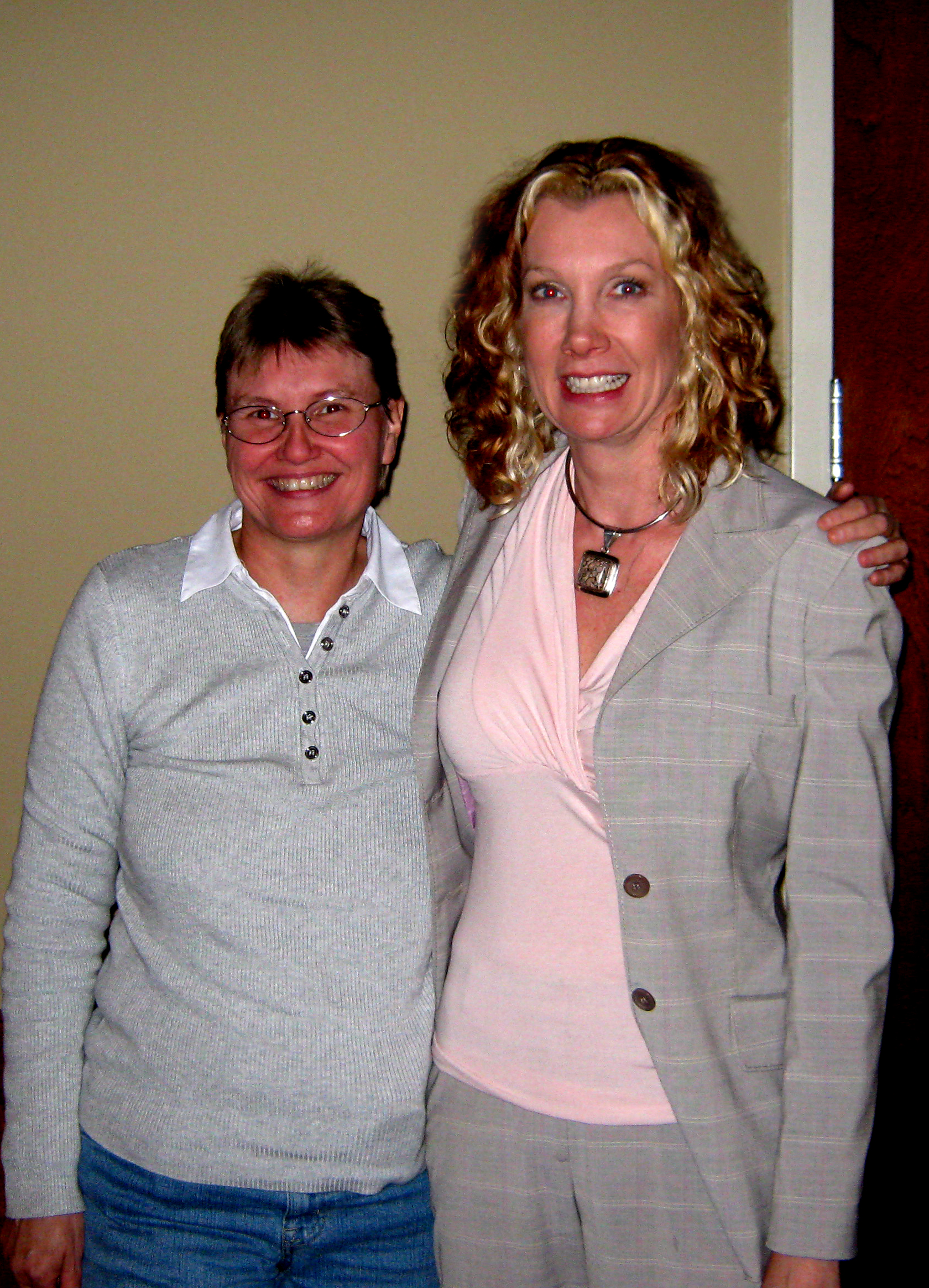
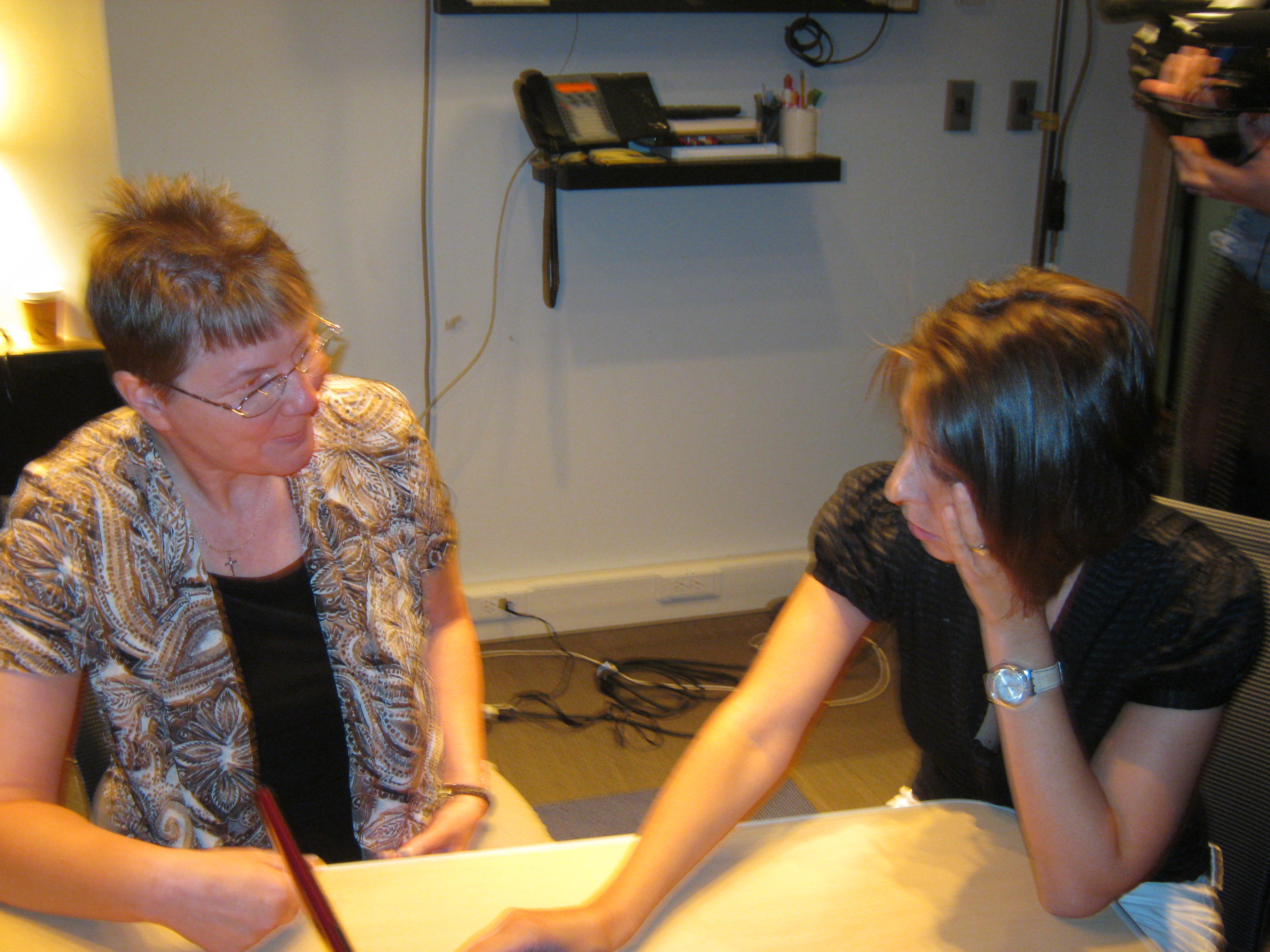
Whenever I watch a film or series based on a true story, I’m always curious: Where are they now? So, I reached out to Stacey and her wife Susan Cowan to ask how life has taken shape since the trial and how they’re feeling about the movie’s release. I asked them both for their input because, although the title only includes Stacey’s name, Susan was there by her side long before, and remains there after, this nightmare unfolded.
Though we’re no longer neighbors, as we were over the years that this story was playing out, we’ve stayed in touch. I now live in Arizona, and they’re still in Florida. From our past conversations, I know how challenging it has been for Stacey to move forward, particularly in finding stable employment. Her name remains indelibly linked to the accusations of murdering her parents, even though she was found not guilty by a jury of her peers, who reached that verdict in just a few hours.
Unfortunately, employers often recognize her name or discover her story online during background checks, leading to painful assumptions that she “got away with murder.” Despite being qualified for far more, Stacey has frequently been limited to minimum-wage jobs.
The upcoming movie premiere has stirred complex emotions. While its production has been in the works for over a year, the reality of seeing her name in the title and commercials has brought up old wounds.
Still, Stacey and Susan remain grounded in faith, believing—as they always have—that God will see them through. Their prayer is that the movie helps others find hope and seek help.

Our Conversation
Where has life taken you since the trial—and how would you describe your life today?
Stacey: Life has been good, but many times a struggle for stability. We now have a small house and are enjoying our little world.
Susan: We’ve been blessed to live in a community that sees us, not the past we’ve been through. We’ve created a happy home and are enjoying life.
What has healing looked like for you in the years since—emotionally, spiritually, and practically?
Stacey:
- Emotionally: My emotions can still be a roller coaster—fear, stress, anxiety. Not at home, but in other settings.
- Practically: I just get up and function. I deal with many physical issues as I’ve gotten older, caused by years of abuse. You just keep going. Your past cannot win.
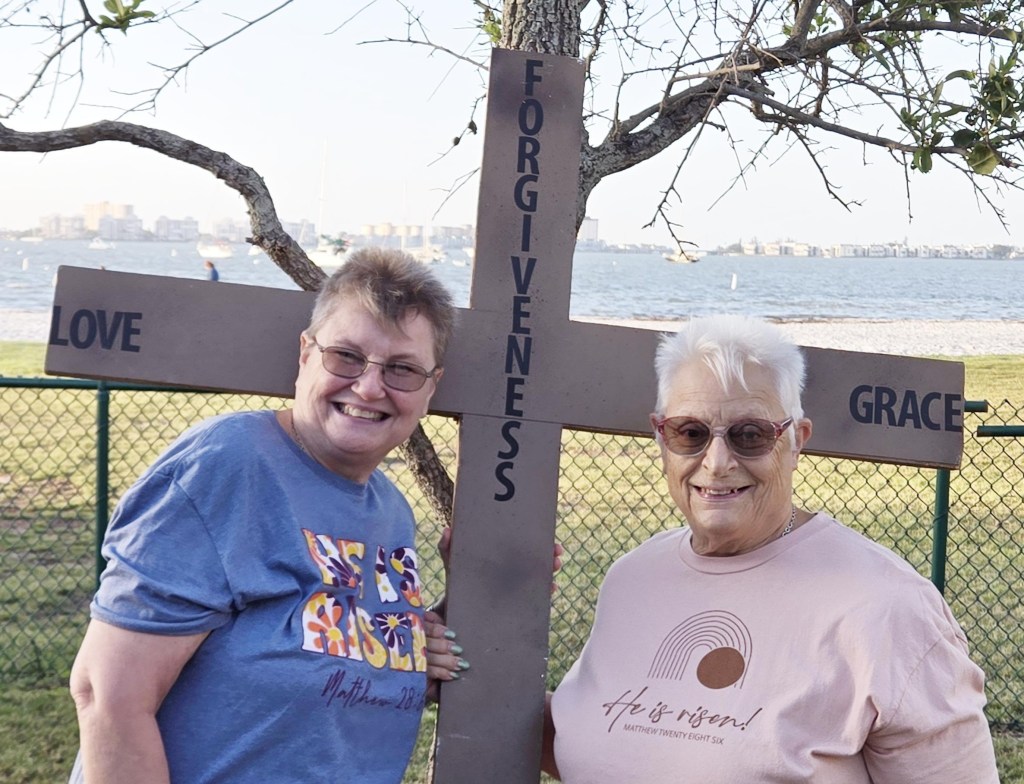
- Spiritually: I’ve found some peace in a small church we attend.
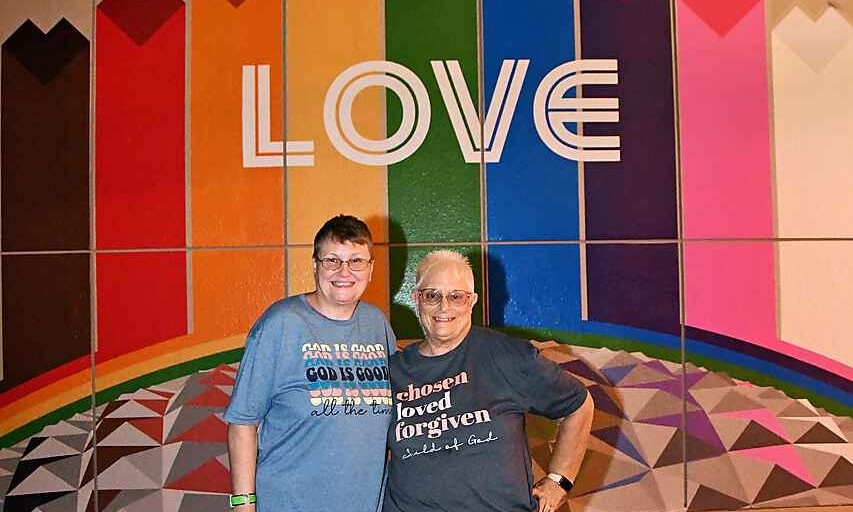
Susan: We belong to Christ the Cornerstone Church, where we are truly family.
Watch Stacey’s 2023 church testimony
A movie based on your life must feel strange. Will you be watching it yourself?
Stacey: I won’t be watching the movie. Just seeing the title and a short clip sent me emotionally backward.
Susan: I’ll watch it alone, mainly to see how the show portrays the facts.
What do you hope people understand about the real experience behind the dramatization?
Stacey: The pain is real; the story is real. Things like this really happen behind closed doors.
Susan: Until I see the dramatization, it’s hard to answer. But based on other movies, people should remember—what you see on TV is rarely the whole truth.
How did public attention after the verdict affect your sense of identity—and how have you reclaimed your story?
Stacey: Once tried for a crime like this, it becomes part of your identity forever. It’s more like “Guilty until proven innocent.” Even now, 15 years later, I still fight for people to believe in my innocence.
Susan: My own identity hasn’t been affected, but we share our story when we want people to know us—not Google us.
You once envisioned helping others who’ve experienced abuse. Instead, you’ve had to receive help yourself. What has that journey taught you?
Stacey: My therapy journey lasted ten years—intense work with a great therapist and Susan by my side. I wish we’d asked for help sooner. Maybe things wouldn’t have ended the way they did.
Susan: My faith and good friends have always been my strength.
What surprised you most about life after the trial—something you wish people understood about what happens next for survivors?
Stacey: The judgment. The comments about how I was “lucky” to be found not guilty. The total loss of connection with my surviving family. I feel that pain every day.
Susan: The surprise is how, in some people’s eyes, you’re still guilty—simply because you were arrested and stood trial.
For those only just discovering your story now, what do you hope they take away from watching the movie?
Stacey: You never know what goes on in someone’s home. Don’t judge so quickly. And if you’re in an abusive situation, reach out for help. There’s much more support available now than there ever was before.
Susan: The main point of both the movie and the book is that domestic violence is real—and it happens everywhere, in every kind of home. Don’t be afraid to seek help, for yourself or someone you love.
If You Need Help
- The National Domestic Violence Hotline offers 24/7 confidential support and connects people with local resources.
- RAINN (Rape, Abuse & Incest National Network) runs the National Sexual Assault Hotline and provides survivor support and education.
If you feel moved to take action, consider donating to these organizations—or whichever one speaks most to your heart.
Purchasing Fear of Our Father: A True Story of Abuse, Murder, and Family Ties also supports Stacey and helps her continue rebuilding her life.
📘 Available wherever books are sold.
ALSO READ:
Lisa Bonnice is the co-author of Fear of Our Father, now a Lifetime Original movie (Monster in the Family). Beyond true crime, her fiction explores the mysteries that shape us—from the humor-and-heart metaphysical comedies A Faery on My Shoulder and The Faery Falls to Castle Gate, a genealogy-based historical novel about ancestral healing and resilience, available in both print and audio.
Lisa hosts the podcast NOW with Lisa Bonnice and writes about the intersection of truth, transformation, and storytelling. Learn more at lisabonnice.com.


 Here's you a blog ...