Tag Archives: book review

Stacey M. Kananen: where is she now?

Fifteen Years Later — Stacey M. Kananen on Survival, Faith, and the Story Behind Monster in the Family


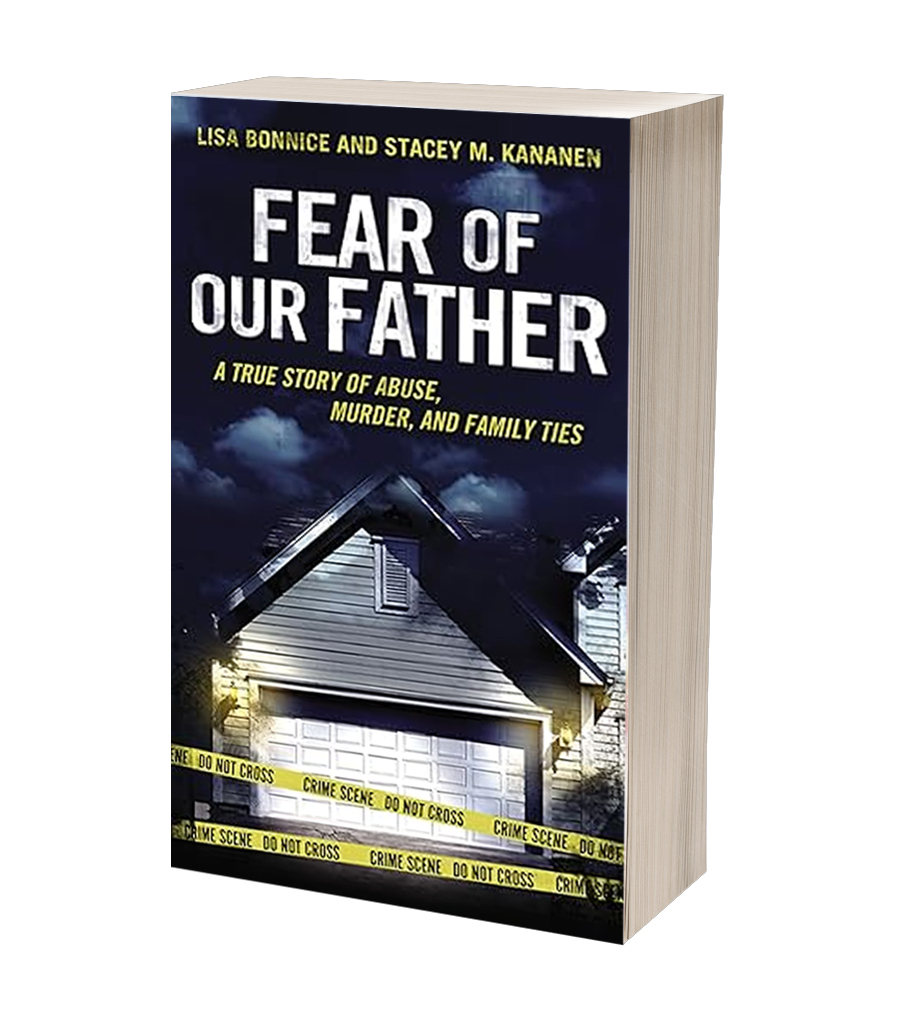
Stacey’s story is about to reach a national audience with the Lifetime TV premiere of Monster in the Family: The Stacey Kananen Story, based on the book she and I co-authored, Fear of Our Father: A True Story of Abuse, Murder, and Family Ties. The movie airs Saturday, October 11.
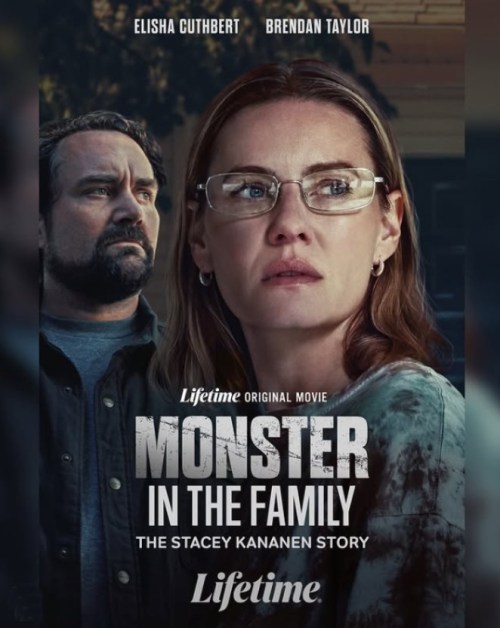
Whenever I watch a film or series based on a true story, I’m always curious: Where are they now? So, I reached out to Stacey and her wife Susan Cowan to ask how life has taken shape since the trial and how they’re feeling about the movie’s release. I asked them both for their input because, although the title only includes Stacey’s name, Susan was there by her side long before, and remains there after, this nightmare unfolded.

Though we’re no longer neighbors, as we were over the years that this story was playing out, we’ve stayed in touch. I now live in Arizona, and they’re still in Florida. From our past conversations, I know how challenging it has been for Stacey to move forward, particularly in finding stable employment. Her name remains indelibly linked to the accusations of murdering her parents, even though she was found not guilty by a jury of her peers, who reached that verdict in just a few hours.

Unfortunately, employers often recognize her name or discover her story online during background checks, leading to painful assumptions that she “got away with murder.” Despite being qualified for far more, Stacey has frequently been limited to minimum-wage jobs.

The upcoming movie premiere has stirred complex emotions. While its production has been in the works for over a year, the reality of seeing her name in the title and commercials has brought up old wounds.

Still, Stacey and Susan remain grounded in faith, believing—as they always have—that God will see them through. Their prayer is that the movie helps others find hope and seek help.

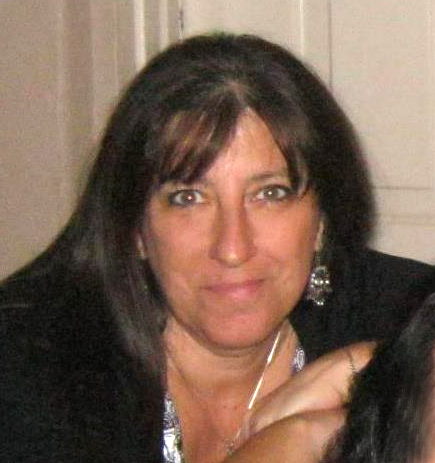
Susan Cowan and Stacey M. Kananen on their wedding day, 2015

Our Conversation

Where has life taken you since the trial—and how would you describe your life today?

Stacey: Life has been good, but many times a struggle for stability. We now have a small house and are enjoying our little world.

Susan: We’ve been blessed to live in a community that sees us, not the past we’ve been through. We’ve created a happy home and are enjoying life.


What has healing looked like for you in the years since—emotionally, spiritually, and practically?

Stacey:

  • Emotionally: My emotions can still be a roller coaster—fear, stress, anxiety. Not at home, but in other settings.
  • Practically: I just get up and function. I deal with many physical issues as I’ve gotten older, caused by years of abuse. You just keep going. Your past cannot win.
  • Spiritually: I’ve found some peace in a small church we attend.

Susan: We belong to Christ the Cornerstone Church, where we are truly family.

Watch Stacey’s 2023 church testimony
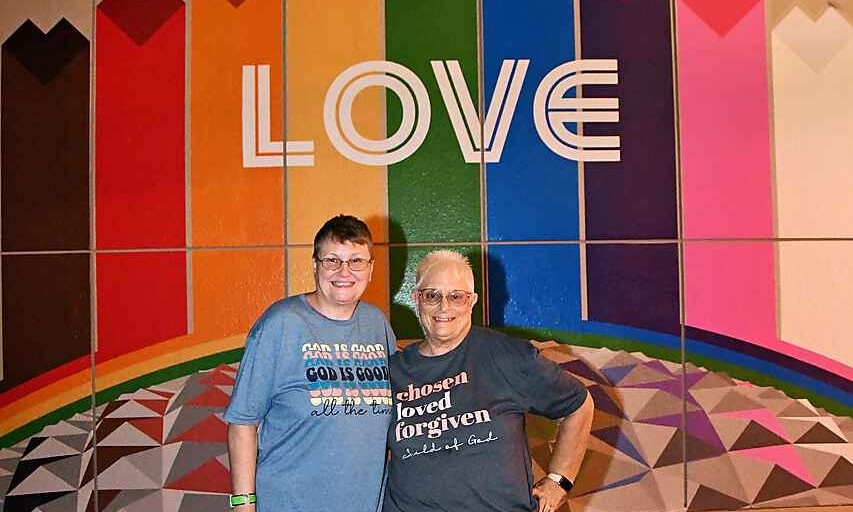

Stacey and Susan

A movie based on your life must feel strange. Will you be watching it yourself?

Stacey: I won’t be watching the movie. Just seeing the title and a short clip sent me emotionally backward.

Susan: I’ll watch it alone, mainly to see how the show portrays the facts.


What do you hope people understand about the real experience behind the dramatization?

Stacey: The pain is real; the story is real. Things like this really happen behind closed doors.

Susan: Until I see the dramatization, it’s hard to answer. But based on other movies, people should remember—what you see on TV is rarely the whole truth.
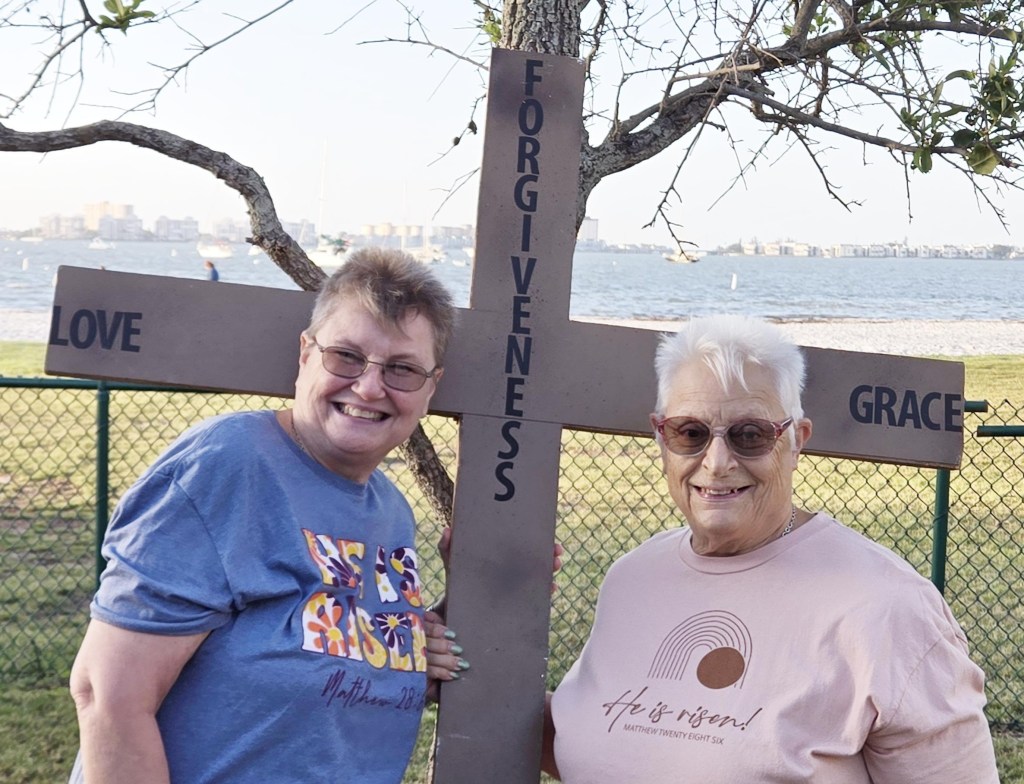
Stacey and Susan

How did public attention after the verdict affect your sense of identity—and how have you reclaimed your story?

Stacey: Once tried for a crime like this, it becomes part of your identity forever. It’s more like “Guilty until proven innocent.” Even now, 15 years later, I still fight for people to believe in my innocence.

Susan: My own identity hasn’t been affected, but we share our story when we want people to know us—not Google us.


You once envisioned helping others who’ve experienced abuse. Instead, you’ve had to receive help yourself. What has that journey taught you?

Stacey: My therapy journey lasted ten years—intense work with a great therapist and Susan by my side. I wish we’d asked for help sooner. Maybe things wouldn’t have ended the way they did.

Susan: My faith and good friends have always been my strength.
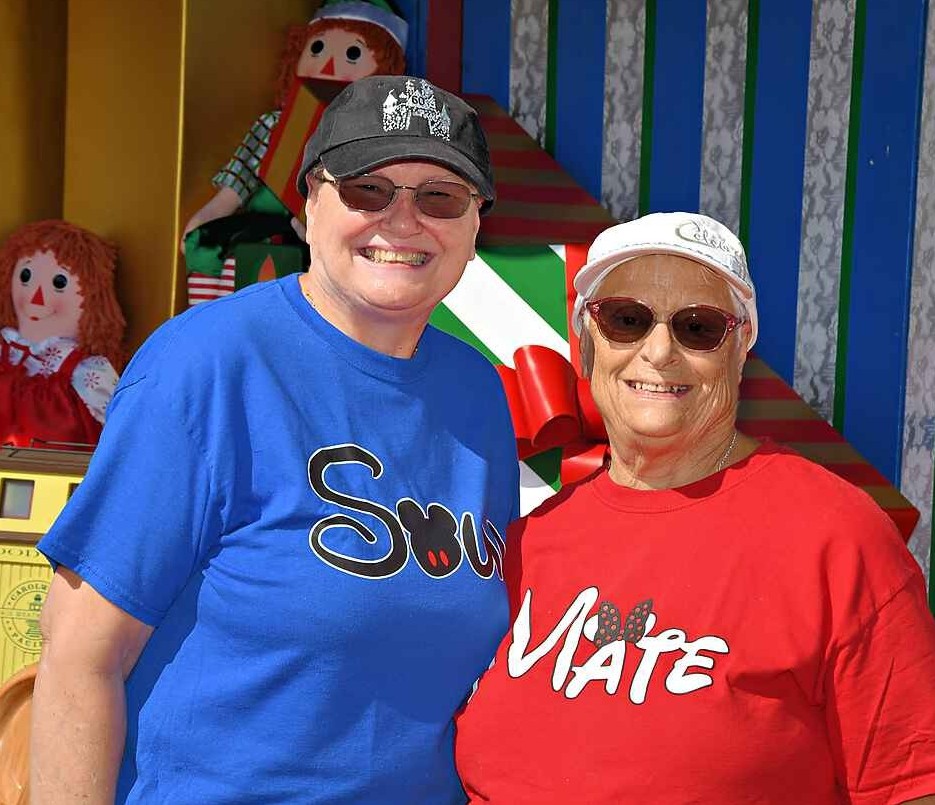
Stacey and Susan, Soul Mates

What surprised you most about life after the trial—something you wish people understood about what happens next for survivors?

Stacey: The judgment. The comments about how I was “lucky” to be found not guilty. The total loss of connection with my surviving family. I feel that pain every day.

Susan: The surprise is how, in some people’s eyes, you’re still guilty—simply because you were arrested and stood trial.


For those only just discovering your story now, what do you hope they take away from watching the movie?

Stacey: You never know what goes on in someone’s home. Don’t judge so quickly. And if you’re in an abusive situation, reach out for help. There’s much more support available now than there ever was before.

Susan: The main point of both the movie and the book is that domestic violence is real—and it happens everywhere, in every kind of home. Don’t be afraid to seek help, for yourself or someone you love.


If You Need Help

If you feel moved to take action, consider donating to these organizations—or whichever one speaks most to your heart.

Purchasing Fear of Our Father: A True Story of Abuse, Murder, and Family Ties also supports Stacey and helps her continue rebuilding her life.

📘 Available wherever books are sold.

ALSO READ:


Lisa Bonnice is the co-author of Fear of Our Father, now a Lifetime Original movie (Monster in the Family). Beyond true crime, her fiction explores the mysteries that shape us—from the humor-and-heart metaphysical comedies A Faery on My Shoulder and The Faery Falls to Castle Gate, a genealogy-based historical novel about ancestral healing and resilience, available in both print and audio.

Lisa hosts the podcast NOW with Lisa Bonnice and writes about the intersection of truth, transformation, and storytelling. Learn more at lisabonnice.com.

Response to a stunning book review …

after being speechless for a few days

Photo by Nong on Unsplash

Authors and book reviews … we try to tell ourselves to take bad reviews with a grain of salt because not everyone is going to resonate with our work … but if bad reviews are taken that way, then it’s only fair that good ones are as well. Right?

Wrong. It’s easy to be a hater. It doesn’t take much creativity or effort to spew mean things. But for a stranger to be moved enough to take time out of their life to craft glowing paragraphs about your work, they must mean it.

I just read a review of my latest book, Castle Gate, that took my breath away. This review—written by someone I don’t know and didn’t pay to say nice things—was beyond anything I ever expected but was everything I ever hoped for.

Here it is:

Reviewed by Laura R. Brush for Readers’ Favorite
(click the line above to visit the review page and/or purchase
Castle Gate)

Castle Gate by Lisa Bonnice masterfully weaves together historical events across continents in a rich tapestry that illustrates the profound impact of the past on succeeding generations and the marks that historical occurrences leave on our collective consciousness. The author’s ability to evoke emotion resonates. The deeply human and relatable characters explore themes of trauma, healing, transformation, and the search for purpose and meaning while deftly navigating human complexities. The town of Castle Gate in Utah no longer exists but the story does magical justice to this historical happening in 1924. Bonnice’s storytelling is engaging and thought-provoking. Her vivid imagery and metaphor bring the story to life and prompt reflection on deeper themes and implications.

The narrative arc is expertly crafted. The conflicts and challenges faced by the characters illuminate broader truths about human experiences and our place in the world. Overall, the author’s writing is nothing short of brilliant. Lisa Bonnice has crafted a masterpiece that not only entertains and engages but also provokes profound introspection. While scholarly rigor is evident in the meticulous attention to detail, Bonnice’s tale invites the reader into a realm where history and mystery intertwine in a brilliant blend of fact and fiction. Her writing is evocative and immersive, transporting readers to the harsh realities of early 20th-century coal mining in Utah. Bonnice’s research shines through in vivid detail, bringing her ancestors’ stories to life with unflinching honesty. The plot is expertly developed, filled with compelling conflicts and unexpected twists that keep readers riveted from beginning to end. Castle Gate is a testament to Bonnice’s deep love for her family’s history. This book will leave you captivated and wanting more.

Ahem … if I may …

girl with paint of body
Photo by Senjuti Kundu on Unsplash

Overall, the author’s writing is nothing short of brilliant. Lisa Bonnice has crafted a masterpiece that not only entertains and engages but also provokes profound introspection.

There are no words for how this makes me feel (a rarity for a writer) so please allow me to express myself with this stock photo of a shiny little girl joyfully covered with colorful evidence of her artistic effort.

Think twice before leaving a bad review

hurt feelings cat

When one exposes one’s “art” to the general public, one takes the chance that some of the public won’t like said art. In fact, some of them will be loud about it … and mean.


I’ve heard artists from all mediums say they don’t read their reviews, for this very reason—some people are needlessly cruel. They’re not leaving constructive criticism, they’re just trying to tear the artist down so they can feel superior.

I try not to read my reviews but, once in a while, some scary part of myself drags me to my Amazon page and forces me to read what strangers are saying about my books.

hurt feelings

I’d like to be cavalier about it but, as a matter of fact, your words did hurt.

Most of the time, the reviews are friendly and glowing, but once in a while, someone posts a review that really hurts.

Those seem to be written by other writers, or by people who fancy themselves to be. They generally bash my writing style, implying that they coulda woulda shoulda done a better job. I don’t know if they’re professional writers, because they never say. However, I’d like to think that the pros don’t leave bad reviews for their peers, because they know better. They know how it feels to get bashed for their hard work.

My wide-eyed wanna-be” theory brings small comfort, however, when I see how much thought and effort some of them have put into their well-written criticism. They felt so strongly that they went out of their way to publicly trash me. (Should I be flattered?)

I’m addressing one particular review of Fear of Our Father, a book which has received over 100 reviews on Amazon—75 percent of which give a four- or five-star rating (mostly five-star :-D). It’s still on bookstore shelves almost three years after publication, and has had a few TV shows based on the story. So it must not suck that badly.

hurt feelings dwight

But, for the sake of argument, let’s assume that 75 percent of the reviewers have wretched taste. If that’s the case, wouldn’t it be more helpful to offer useful suggestions on how to improve next time, instead of being nasty about something that cannot be changed? Or are these reviewers actually more interested in sharpening their pithiness on my back?

Plus, how about a little credit for what I did accomplish? I wrote a book that hit #1 on Amazon’s True Crime list. Do you know how hard it is to do that? Only frustrated writers who want to take the piss would try to make another writer feel bad about their accomplishments.

I’m specifically talking about a review that said my co-author, Stacey M. Kananen, should have hired a ghostwriter, instead of letting a friend write the incredible story of how she was unjustly accused of and tried for murdering her parents. (Her story is similar, in some ways, to that of Steven Avery in Making a Murderer.) Fear of Our Father could have been so much better, the reviewer implies, if only a more capable writer had been assigned to the task. (Isn’t that the case with every book?)

For the record, I’m not just some random friend of Stacey’s who thought, “Hey, I’ve got a computer and I took an English class once. Why not try my hand at writing a book?” I’ve earned more than a few impressive writing credits. And, yes, of course it would have been a better book if I wrote it later in life, with more experience and maturity. However, Fear of Our Father dropped into my life exactly when it was supposed to.

I “just happened” to move to Gulf Coast Nudist Resort right before Stacey and Susan did. I “just happened” to work with her and Susan in the resort’s office. I “just happened” to witness the story leading up to Stacey’s murder trial (which aired on national television) as it unfolded.

hurt feelings proud

And, I “just happened” to be a professional writer, with an award-winning background with MSNBC News, and three previous (albeit self-published, but well-reviewed) books under my belt.

This story fell into my life as an assignment from the Gods, and I took it that seriously. Someone needed to be there to witness and tell Stacey’s story, and who better than an objectively-trained, supportive friend, who “just happens” to be a professional writer?

I watched the tale unfold over the course of seven years. That’s how I know the subject matter well enough to properly tell it. I am Stacey’s friend and she is mine. She trusted me enough to confide horrifically intimate details, knowing that I would tell it like it is, while displaying respect and compassion for her entire family—even those who turned against her. A stranger would have never been able to do justice to their story. And, if the Gods had wanted a “more capable” writer for the task, they would have assigned one.

Of course it’s not my greatest, all-time writing achievement, because I’m not dead yet, but it’s my best so far. Artists—or, for that matter, all beings—are constantly striving to improve. Does it really help to be nasty when pointing out the flaws in someone else’s honest creative work?

mirror girl

I’m not saying I’ve never done the same—after all, the Internet’s offer of anonymity is seductive—but I haven’t done it since I became a grownup. All it accomplishes, really, is to point out who the critic is actually talking to. —>

In closing, here’s you some dogs, to illustrate how it feels when someone tries to tear you down, instead of offering helpful, uplifting, constructive criticism. (In other words, I’ll continue to strive to become a better writer in spite of your words, not because of them.)

snarly dogs


lisa author shotLisa Bonnice is an award-winning, best-selling author and editor/manuscript doctor (and former stand-up comedienne—is there anything she can’t do???). Her current passion-project is a series of metaphysical comedy novels. The first in the series is Be Careful What You Witch For!, a modern-day fairy tale about Lola Garnett, a bored housewife, mom and office drone who wakes up with unexpected psychic abilities, and no instruction manual, and Twink, the reluctant, sarcastic faery assigned to assist and educate her.

http://www.lisabonnice.com

Book review: Developing Psychic Abilities by Apryl J. Douglas

Developing Psychic Abilities

Full Disclosure: I know Apryl. I used to work for her at Vision Quest Metaphysical Bookstore, in Phoenix, Arizona. So, my review may be slightly biased but, honestly, if I didn’t believe that this book is worth recommending, I wouldn’t have written the review (in the vein of “If you can’t say something nice…”).


Apryl DouglasThe title, Developing Psychic Abilities, downplays the strengths of this book. Yes, there are plenty of suggestions as to how to develop your abilities, if you’re new to the game. But Apryl also includes a lot of tips and tricks that go far beyond the basics.

This book teaches about astral projection, using a pendulum, candle magic, aura cleansing, automatic writing, psychic protection and much more.

Her book is written in plain language–that is, it’s not full of complex explanations or woo-woo jargon. She also includes a section in the back where you can write notes with your results. Yes, I recommend this book!

Apryl, herself, has been aware of her psychic abilities most of her life–they surfaced when she was 13. She has owned Vision Quest since 1986. Back then, she was in the Los Angeles area and her store was one of the best. I used to shop there, when I lived in LA, but she and I never met at the time. Small world, that I should end up working for her, once her store and I both moved to Phoenix.

She is available for psychic readings, by phone or at her store, most Saturdays. You can call 480-949-1888 to schedule a reading. If Saturdays don’t work for you, her store staffs several other very talented readers and healers, seven days a week. Check out the store’s website for reader bios and schedules.


Lisa Bonnice is the best-selling, award-winning author of five books, including Shape Shifting–reclaiming YOUR perfect body, the True Crime Bestseller Fear of Our Father (with Stacey M. Kananen)  and the metaphysical-comedy novel, Be Careful What You Witch For!

Best seller—Fear of Our Father—#1 True Crime
eLit Silver Award—The Menhattan Project—Humor
Includes foreword by Neale Donald Walsch—Shape Shifting
Two Excellence Awards—MSNBC.com